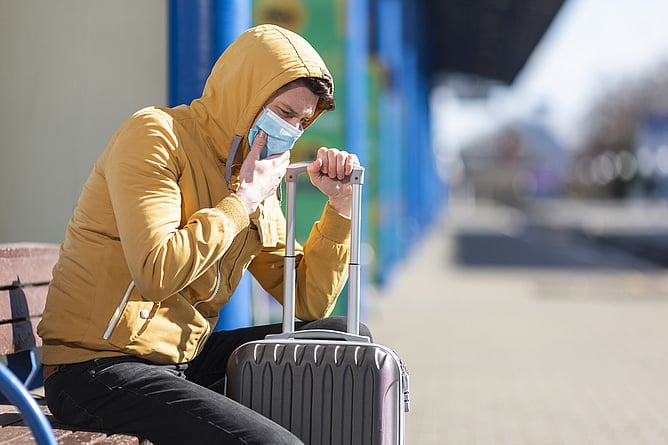
Traveling is one of life’s greatest pleasures. Whether you're heading overseas for a relaxing vacation, business trip, or adventure holiday, the excitement of planning your journey often focuses on flights, accommodation, and sightseeing. But there’s one critical aspect travelers frequently overlook, their health. Ignoring travel health preparation can lead to unnecessary stress, illness, or even medical emergencies abroad.
Ignoring preparation can lead to illness, stress, or unexpected medical problems abroad. At Sumner Pharmacy, we regularly help travelers prepare safely with personalized guidance and reliable travel health advice so they can enjoy their trips worry-free.
Getting advice from a professional travel clinic Christchurch travelers trust can help you understand risks, required precautions, and preventive care before your trip.
Key Takeaways
Many travel health issues happen due to lack of preparation.
Travel immunisations help protect against preventable diseases.
Simple travel safety tips can prevent illness and discomfort abroad.
Planning health precautions early reduces risks.
Professional guidance ensures you’re fully prepared for your destination.
Understanding Travel Health Risks
When you travel internationally, your body is exposed to unfamiliar environments. Climate changes, different hygiene standards, new bacteria, and unusual foods can affect your immune system. Even seasoned travelers sometimes underestimate how quickly these factors can impact health.
Some destinations may carry risks such as foodborne illness, insect-borne infections, or extreme weather conditions. Others may have high altitudes, strong UV exposure, or limited access to healthcare. Knowing these risks beforehand allows you to prepare properly instead of reacting to problems after they occur.
Reliable travel health advice helps travelers understand exactly what precautions they need to take depending on where they’re going. Preparation isn’t about fear, it’s about prevention. Experts at Sumner Pharmacy often recommend reviewing destination risks well in advance to stay protected.
Most Common Travel Health Mistakes Travelers Make
1. Leaving Health Preparation Until the Last Minute
One of the biggest mistakes travelers make is planning health precautions too late. Many preventive measures require time to be effective, especially immunisations. Waiting until the last week before departure may limit your options and leave you unprotected.
How to avoid it:
Start preparing at least 4–8 weeks before travel so you have enough time for proper recommendations and protection.
2. Ignoring Travel Immunisations
Some people believe vaccines are only necessary for certain regions, but many destinations have recommended immunisations that travelers should consider. Skipping travel immunisations can expose you to preventable illnesses that may disrupt your trip or require medical treatment abroad.
How to avoid it:
Research destination requirements and consult professionals who can recommend what protection is appropriate for your itinerary, such as the healthcare team at Sumner Pharmacy.
3. Not Researching Destination Health Conditions
Travelers often research attractions and restaurants but forget to check health conditions. Climate, altitude, sanitation standards, and disease prevalence vary greatly across countries.
How to avoid it:
Before traveling, review destination-specific health risks and follow appropriate travel safety tips to protect yourself.
4. Packing Medications Incorrectly
Another common mistake is packing medications improperly or forgetting them altogether. This can cause delays at airports or difficulties if you need medicine abroad.
How to avoid it:
Carry medicines in original packaging, bring prescriptions, and keep essential medications in your carry-on luggage.
5. Drinking Unsafe Water
Water safety is one of the most frequent causes of illness during travel. Contaminated water or ice can lead to stomach infections that quickly ruin a trip.
How to avoid it:
Stick to bottled or purified water in unfamiliar regions, and avoid uncooked foods washed in local water.
6. Ignoring Hydration and Nutrition
Long flights, busy schedules, and hot climates can lead to dehydration and fatigue. Travelers sometimes forget to drink enough fluids or eat properly, weakening their immune system.
How to avoid it:
Stay hydrated, eat balanced meals, and carry healthy snacks when traveling long distances.
7. Underestimating Sun and Climate Exposure
Sunburn, heat exhaustion, or cold-related illness can occur when travelers aren’t prepared for local weather conditions.
How to avoid it:
Pack appropriate clothing, sunscreen, and weather-appropriate gear based on your destination climate.
8. Skipping Professional Travel Guidance
Some travelers rely solely on internet searches for health information, which can be outdated or inaccurate. Without professional travel health advice, you may miss important precautions.
How to avoid it:
Consult healthcare professionals who can assess your personal health needs and travel plans.
Essential Travel Safety Tips Everyone Should Follow
To stay healthy while traveling, follow these simple but effective travel safety tips:
Wash hands regularly or use sanitizer
Avoid touching your face frequently
Eat freshly cooked foods
Use insect repellent when necessary
Keep emergency contacts handy
Rest adequately during long trips
Avoid overexertion on arrival
These practical habits can significantly reduce your risk of illness while abroad. Healthcare professionals at Sumner Pharmacy often remind travelers that simple habits can prevent most travel-related health problems.
Why Professional Preparation Matters
Professional preparation provides travelers with accurate, updated health guidance tailored to their destination. Instead of guessing what precautions to take, you receive reliable recommendations designed specifically for your travel plans.
Professional support ensures you receive safe recommendations for immunisations, medications, and preventive care. It also gives peace of mind knowing you’ve taken the right steps before departure.
Visiting a certified travel clinic Christchurch provider ensures you receive accurate recommendations, destination-specific protection, and safe travel guidance tailored to your needs.
Discover how our travel clinic keeps you healthy before you fly
Signs You Might Not Be Fully Prepared for Travel
If you relate to any of these situations, you may need additional preparation:
You’re unsure about recommended vaccines
You don’t know local health risks
You haven’t packed a health kit
You’re uncertain about food safety
You haven’t researched climate conditions
Recognizing these signs early allows you to prepare before your trip begins.
How Proper Preparation Improves Your Travel Experience
When you prepare correctly, travel becomes far more enjoyable. Instead of worrying about health concerns, you can focus on exploring new places and creating memories. Preparation reduces stress, increases confidence, and helps you respond calmly if minor issues arise.
Healthy travelers enjoy:
More energy for activities
Better sleep during trips
Fewer disruptions
Lower medical costs abroad
Greater peace of mind
Preparation is not just a precaution, it’s part of responsible travel planning.
Final Thoughts
Travel should be memorable for all the right reasons. Avoiding common mistakes is simple when you plan ahead and follow expert travel health advice. Taking preventive steps, staying informed, and following practical travel safety tips ensures you can fully enjoy your trip without unnecessary risks.
Whether you’re traveling for leisure or work, preparing your health before departure is one of the smartest decisions you can make. A little preparation today can save you from major problems tomorrow and help ensure your journey is safe, comfortable, and enjoyable from start to finish. For trusted support and personalized preparation guidance, travelers can rely on Sumner Pharmacy before heading abroad.
FAQs
1. Why is travel health preparation important?
Preparation protects you from diseases, infections, and preventable health risks while travelling.
2. Do all travelers need immunisations?
Not always, but many destinations recommend or require them for safety.
3. How early should I prepare for travel health?
Ideally 4–8 weeks before departure.
4. What should be in a travel health kit?
Medicines, first aid supplies, prescriptions, sanitizer, and rehydration salts.

