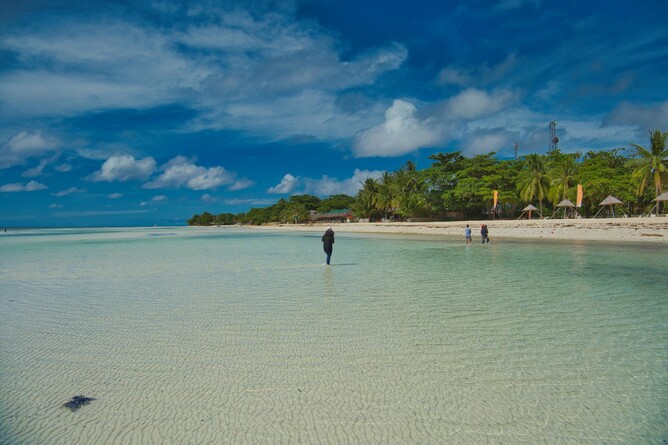
Southeast Asia keeps pulling in Kiwi travellers, and it's easy to see why. Thailand's beaches, Bali's surf breaks, Vietnam's street food, and Cambodia's temples. It's affordable, it's close-ish, and it's packed with things to do.
Here's the part travellers forget until the last minute: Southeast Asia carries health risks New Zealand simply doesn't have it. Our pharmacists see it every travel season. Someone books flights in a rush, then realizes three weeks out they still need vaccines that require multiple doses.
That's why we put together this guide. It covers what we actually tell patients who walk into our Christchurch travel clinic before heading to Southeast Asia.
Key Takeaways
Southeast Asia carries a higher risk of typhoid, hepatitis A and B, rabies, malaria, and Japanese encephalitis than New Zealand.
Book your travel vaccine appointment 6 to 8 weeks before departure. Some vaccines need multiple doses spaced weeks apart.
Even last-minute travellers should still book. Partial protection beats none.
Recommended vaccines depend on your specific itinerary, not just the country name on your ticket.
Sumner Pharmacy's Travel Clinic in Christchurch offers same-week appointments with no GP referral needed for most vaccines.
Annual travellers to the region should review their vaccine status before every trip, not just the first one.
Most Southeast Asia trips call for hepatitis A, hepatitis B, typhoid, and a Tdap booster, with rabies, Japanese encephalitis, and malaria prevention added depending on your specific route and activities. The exact list always comes down to your itinerary, so a personalized consultation is the only way to know for sure what you actually need.
Common health risks in Southeast Asia
Travellers to Southeast Asia may be exposed to several infectious diseases that aren’t common at home. The most important health risks include:
Traveller's Diarrhoea – Traveller’s diarrhoea is a common digestive tract disorder that causes loose stools and abdominal cramps, typically caused by consuming contaminated food or water while traveling.
Malaria – present in parts of Cambodia, Laos, Myanmar, Indonesia (including some areas of Bali), and rural Vietnam. Preventative medication may be advised depending on your itinerary.
Typhoid fever – spread through contaminated food and water. Travellers staying outside major hotels or eating street food are particularly at risk.
Hepatitis A and Hepatitis B – both are common in Southeast Asia and can be contracted through contaminated food, water, or close contact.
Rabies – still prevalent in dogs, monkeys, and bats in many areas. Travellers who plan on hiking, cycling, or spending extended time in rural communities should consider rabies vaccination.
Understanding these risks is the first step to staying safe on your trip.

Recommended vaccines for Southeast Asia travellers
The exact vaccines you’ll need depend on your destinations, the type of activities you plan, and how long you’ll be away. A personalised consultation with a Christchurch travel clinic will help you build the right protection.
Commonly recommended vaccines for Southeast Asia include:
Hepatitis A
Hepatitis B
Typhoid
Tetanus, diphtheria and whooping cough booster (Tdap)
Rabies (for long-term travellers or those with animal exposure risk)
Japanese Encephalitis (for rural or long stays in areas with rice fields/pig farming)
Influenza (seasonal flu vaccine, especially recommended for air travel)
In addition, your provider will discuss whether malaria tablets are recommended for your route and duration.
See our full Travel Clinic Services and Price List for detailed information.
Timing – when to book vaccines before travel
One of the biggest mistakes travellers make is leaving vaccines too late. Many vaccines require multiple doses, spaced several weeks apart, to provide full immunity.
Book at least 6–8 weeks before travel to allow time for all recommended vaccines.
Last-minute trip? Even if you’re departing in a few days, it’s still worth booking — some protection is better than none.
Annual travellers: If you regularly travel to Southeast Asia, keeping your vaccines up-to-date is essential. A quick review before each trip can save you time and worry.
Where Can You Get Travel Vaccines in Christchurch?
Sumner Pharmacy's Travel Clinic is a Christchurch-based option that doesn't require a GP referral for most vaccines. You can usually get an appointment within the same week.
Here's what a visit actually includes:
Same-week appointments with an experienced pharmacist
Transparent, upfront pricing
No doctor's prescription required for most vaccines
A consultation built around your actual itinerary, not a generic checklist
Guidance on malaria prevention, bite avoidance, and food safety specific to your route
We also recommend starting with our Pre-Travel Screening Questionnaire before your appointment. It speeds things up and means your pharmacist walks in already knowing your trip details. If you want a broader look at what a full pre-travel visit covers, our guide to pre-travel health consultations is worth a read too.
Learn more about our Christchurch Travel Clinic and how our team supports Canterbury travellers heading overseas.
What to Expect After Your Vaccination Appointment
Most people feel completely normal after travel vaccines, though mild soreness at the injection site or slight tiredness is common for a day or two. Serious reactions are rare.
A few practical things we tell patients before they leave the clinic:
Plan vaccines for at least a few days before any strenuous activity or long-haul flight, just to be safe.
Mild arm soreness or a low-grade headache is normal and usually gone within 48 hours.
Keep a record of what you received and when. You'll want this for future trips, and some countries ask for proof of certain vaccines (like yellow fever) at the border.
If you're combining vaccines with malaria prevention medication, your pharmacist will walk you through when to start taking it, since some need to begin before you leave New Zealand.
If anything feels off after your appointment, like a reaction that doesn't settle within a day or two, contact your pharmacist or GP. This is uncommon, but worth knowing.
Staying Healthy in Southeast Asia Beyond Vaccines
Vaccines cover a lot, but they don't cover everything. Food and water safety, mosquito bites, and travel insurance all matter just as much once you land. uncommon but
A few habits we recommend to almost every traveler:
Stick to bottled or boiled water, and skip ice unless you know it's made from filtered water. This is the single biggest way to avoid traveler's diarrhoea.
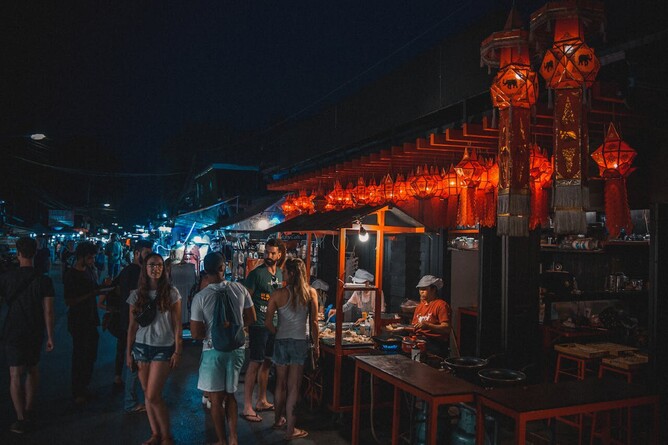
Eat at busy food stalls, not empty ones. High turnover usually means fresher food and less time for bacteria to build up.
Use insect repellent with DEET or picaridin, and reapply it through the day, especially around dawn and dusk when mosquitoes are most active.
Pack a basic travel health kit: rehydration sachets, any regular medications, plasters, and something for an upset stomach.
Get travel insurance that covers medical evacuation. In rural Southeast Asia, healthcare can be limited, and a serious illness or injury may need transport to better facilities.
Carry a copy of your vaccination record while travelling, not just at home. Some border checks and clinics abroad will ask for it.
None of this replaces your vaccines. It's the layer of protection that sits on top of them, and it's often what determines whether a trip goes smoothly or turns into a hospital story.
Ready to Travel Safely?
Whether you're heading to Bali for a week, backpacking through Vietnam, or spending a season across rural Cambodia, getting vaccinated properly is one of the smartest things you can do before you fly.
Start with our Pre-Travel Screening Questionnaire, and our team will build a plan around your actual trip. For general travel health guidance beyond vaccines, SafeTravel's Official Health Advice is a solid resource to bookmark too.
Book Now with Sumner Pharmacy's Travel Clinic in Christchurch.
Common Questions We Hear at the Travel Clinic
Do I need a doctor's referral to get travel vaccines?
No, most travel vaccines at our clinic don't require a GP referral. You can book directly through our screening questionnaire and see a pharmacist.
Some prescription-only medications, like certain malaria tablets, still need a pharmacist or prescriber sign-off. That's a normal part of the consultation, not an extra hurdle.
What if I'm leaving for Southeast Asia in a week?
You should still book an appointment. Some vaccines can still be given in time to offer partial protection, and your pharmacist will tell you honestly what's realistic.
Waiting until you're back from your trip to sort this out isn't a good plan. Even one dose of a multi-dose vaccine is better than skipping it entirely.
Do I need malaria tablets for every part of Southeast Asia?
Not necessarily. Malaria risk varies significantly by region, even within the same country. Parts of rural Cambodia carry real risk while central Bangkok generally doesn't.
Your pharmacist reviews your exact route and travel style before recommending anything, since this isn't a decision that should be made from a general list.
How much do travel vaccines cost in Christchurch?
Costs vary depending on which vaccines you need and how many doses are involved. Our Travel Clinic price list has current, transparent pricing.
We'll also give you a clear breakdown during your consultation before anything is administered, so there are no surprises.
Can I get all my vaccines in one appointment?
In many cases, yes, though it depends on which vaccines you need and your health history. Some vaccines can be given together, while others are spaced out for safety or effectiveness.
Your pharmacist will map out the right schedule for your specific timeline and trip.
Do frequent travelers to Southeast Asia still need to see a pharmacist each trip?
Yes, but it's usually a quick review rather than starting from scratch. Some vaccines provide long-term protection, so you may just need a booster or a quick itinerary check.
We recommend annual travellers still book a check-in before each trip, since risk factors and recommendations can shift.