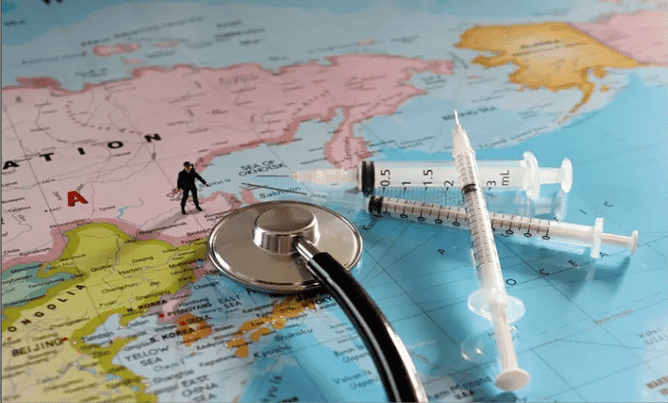
When you're planning a big international trip, checking off your medical checklist is just as important as booking your flights, mapping your route, or packing your bags. It's completely normal to wonder about travel vaccination side effects, and knowing what to expect helps you plan your days leading up to the flight. The good news? Most reactions are minor, stay right around the spot where you got the shot, and clear up on their own within 24 to 48 hours. By knowing the basics, you can handle your pre-travel prep with zero stress and a solid game plan.
Keypoints:
Most travel vaccine reactions are minor, non-contagious, and disappear naturally within a couple of days.
Injection site soreness or muscle stiffness is a normal sign that your immune system is successfully building defenses.
Planning your clinic visit 4 to 6 weeks early guarantees full immunity and recovery before your departure flight.
Staying fully hydrated and avoiding strenuous workouts post-appointment drastically lowers the risk of minor headaches.
Modern travel immunizations use completely safe, non-live components, meaning they cannot trigger the active disease.
Why Do Travel Vaccines Cause Side Effects?
To understand why your body reacts to a vaccine, it helps to see what’s happening behind the scenes. A vaccine simply introduces a safe, weakened, or inactive piece of a germ to your immune system. This gives your body a safe way to practice making the protective antibodies it needs without making you sick.
When you make use of professional travel clinic services, experts will explain that if you get a mild fever or a slightly swollen arm, you shouldn't worry at all! Those are actually positive signs. They show that your immune system is awake, listening, and actively building the long-term shields you need to stay safe from tropical or regional diseases. Think of it as a dress rehearsal for your body. It ensures you're fully defended before you ever step foot off the plane, rather than leaving you exposed to dangerous viruses or bacteria abroad.
Deep-Dive: Common Side Effects Broken Down by Vaccine Type
1. Seasonal Influenza Protection
If your travel plans involve changing climates, crossing hemispheres, or spending hours on crowded flights during flu season, getting a flu shot is highly recommended. When you're flying, you're sharing recycled air and close spaces with hundreds of travelers, which makes it much easier for viruses to spread. The most common flu vaccine side effects you might notice are:
Localized Pain: A bit of soreness, redness, or minor swelling right where you got the shot (usually your upper arm).
Systemic Response: A mild, temporary fever as your body processes the vaccine.
General Malaise: Light muscle aches, feeling a bit tired, or a slight headache for a day or two.
These symptoms are totally manageable and simply mean your body is getting ready to fight off the flu strains you might encounter on your journey.
2. Typhoid Fever Prevention
If you're an adventurous traveler heading to places where clean water and food sanitation might be a bit tricky, like parts of Asia, Africa, or Central and South America, a typhoid vaccine is a must-have shield. Typhoid is a serious bacterial infection that spreads through contaminated food and water. Typical typhoid vaccine side effects usually look like the following:
Headache: A temporary, dull headache that goes away easily with a glass of water and some rest.
Injection Site Discomfort: A stiff or sore arm for a short time, which might make heavy lifting a bit annoying.
Gastrointestinal Mildness: A little bit of nausea or mild stomach cramps, especially if you choose the oral capsule version instead of the shot.
Knowing this ahead of time means you can schedule your typhoid shot early, ensuring any temporary arm stiffness or stomach upset is completely gone before you have to lift heavy suitcases at the airport.
3. Hepatitis A Protection
Hepatitis A is one of the most common bugs travelers catch, and it can spread through contaminated food, drinks, or even ice cubes, even at nice resorts. Thankfully, the modern vaccine works incredibly well and is very easy on the body. The usual hepatitis A vaccine side effects are incredibly mild and typically include:
Fatigue: Feeling a bit more tired than usual for about 24 hours as your body uses its energy to build antibodies.
Appetite Changes: A slight loss of appetite or a brief wave of mild nausea.
Localized Tenderness: A little bit of tenderness, slight swelling, or a tiny, firm bump right where the needle went in.
Since Hepatitis A can cause serious liver issues and completely ruin your vacation, dealing with a slightly tender arm for a day is a very small trade-off for years of solid protection.
Real Data: Side Effect Probability Comparison
To give you a realistic overview of clinical observations, the table below highlights the comparative onset and duration dynamics of these essential travel immunizations:
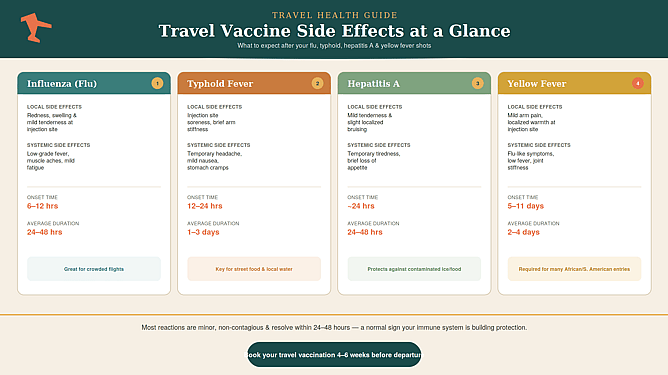
Vaccine Type | Common Local Side Effects | Common Systemic Side Effects | Typical Onset Time | Average Duration |
|---|---|---|---|---|
Influenza (Flu) | Redness, localized swelling, mild tenderness | Low-grade fever, muscle aches, mild fatigue | 6–12 hours post-injection | 24–48 hours |
Typhoid Fever | Injection site soreness, brief arm stiffness | Temporary headache, mild nausea, cramps | 12–24 hours post-injection | 1–3 days |
Hepatitis A | Mild tenderness, slight localized bruising | Temporary tiredness, brief loss of appetite | 24 hours post-injection | 24–48 hours |
Yellow Fever | Mild arm pain, localized warmth | Flu-like symptoms, low fever, joint stiffness | 5–11 days post-injection | 2–4 days |
Strategic Pre-Travel Planning & Timeline Optimization
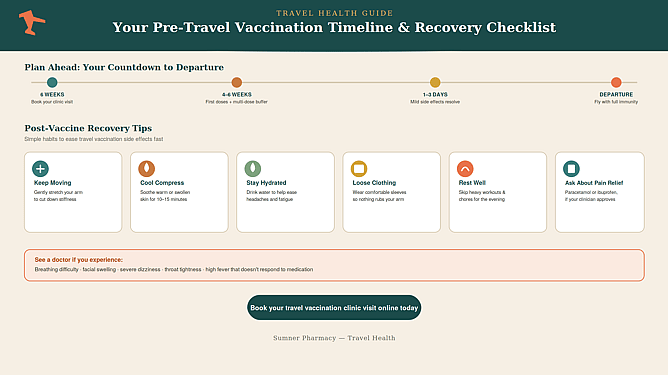
When it comes to travel health, timing is everything. To make sure your body has completely recovered from any minor side effects and built up maximum immunity before you board, you should plan to visit a specialized travel vaccination clinic in Christchurch about 4 to 6 weeks before you leave. This gives your body a comfortable buffer to build up those antibodies, and it covers you if you need a vaccine that requires two doses spaced a few weeks apart.
Consulting with experts who focus specifically on travel medicine is incredibly helpful because they know exactly what health risks look like in different parts of the world. A dedicated clinic can offer a customized travel clinic based entirely on your specific trip, your medical history, and what you plan to do whether you're backpacking through a jungle or staying in a luxury hotel.
Sorting out your travel health shouldn't be a stressful, last-minute rush that leaves you feeling under the weather on your flight. If you want to get this sorted, build a clear timeline, and tick a major task off your vacation to-do list, it only takes a couple of minutes to book a vaccination online with a trusted travel health professional.
Practical Tips to Manage Post-Vaccine Reactions
If you do end up feeling a little sore or tired after your appointment, here are some incredibly simple ways to bounce back quickly:
Keep Your Arm Moving: It might feel a bit sore, but gently moving or stretching your arm helps circulate the vaccine, keeps fluid from building up, and cuts down on stiffness.
Use a Cool Compress: If your arm feels warm, red, or swollen, pressing a clean, cool, damp cloth against it for 10-15 minutes will soothe it right away.
Drink Up: Staying well-hydrated before and after your appointment makes it much easier for your body to process everything and helps keep headaches away.
Wear Loose Clothing: Wear a comfortable, loose shirt to your appointment so nothing rubs against or irritates your arm afterward.
Take It Easy: Give yourself permission to rest. Don't schedule heavy gym sessions, intense packing, or a massive list of chores for the evening after your shots.
Simple Pain Relief: Ask your clinician if you can take an over-the-counter pain reliever like paracetamol or ibuprofen if your arm soreness or headache gets annoying.
Post-Vaccination Care: Diet and Activity Guidelines
To give your body the perfect environment to build up its defenses while keeping side effects low, pay a little extra attention to how you treat yourself for 48 hours after your appointment. Focus on eating clean, nourishing foods. Things like leafy greens, berries, fish, and whole grains have great anti-inflammatory properties that help your body recover. Try to skip heavy fast food, high-sugar snacks, or lots of saturated fats, as they can make you feel more sluggish and worsen a mild fever.
In addition to diet, manage your physical exertion levels carefully. While light walking or gentle stretching helps move lymph fluid and distributes the vaccine components efficiently through your body, heavy weightlifting or high-intensity interval training (HIIT) should be paused. Intense strain on the muscles can aggravate injection site pain and distract your immune resource allocation from antibody production. Prioritize sleep, aiming for at least 8 hours of quality rest, as human growth hormone and cellular repair mechanisms peak during deep sleep cycles.
When to Call a Doctor: Spotting Rare Allergic Reactions
For the vast majority of travelers, vaccine reactions are nothing more than a mild, temporary inconvenience. However, as medical professionals, we always want our patients to know what to watch out for.
Severe allergic reactions (known as anaphylaxis) are extremely rare, but they require immediate emergency medical care. If you or a family member experience any of the following symptoms after a vaccination, seek urgent medical attention:
Difficulty breathing, shortness of breath, or wheezing
Swelling of the face, lips, tongue, or throat
Severe dizziness, lightheadedness, or feeling faint
A sudden, spreading skin rash or hives
A high fever that does not come down with standard over-the-counter medication
Conclusion
At the end of the day, dealing with a slightly sore arm or a bit of fatigue for a day or two is a very small, temporary price to pay for years of worry-free protection against serious illnesses worldwide. Here at Sumner Pharmacy, we want to make sure you feel completely informed, prepared, and safe through every single step of your journey. By planning ahead, talking to local travel health experts, and giving your immune system the time it needs to do its job, you can completely skip the stress of getting sick far from home. Don't leave your hard-earned holiday or important business trip to chance; take care of your body early, follow these simple tips, and step onto your flight with absolute confidence.
Frequently Asked Questions
Q1: How long do travel vaccine side effects usually last?
The vast majority of standard side effects are incredibly mild and disappear naturally within 1 to 3 days after administration as your body stabilizes and complete antibody production begins.
Q2: Can I get multiple travel vaccines safely on the exact same day?
Yes, clinical guidelines state that administering multiple travel vaccines during a single appointment is completely safe and effective. Your body is capable of handling multiple immune challenges simultaneously, though it may slightly increase localized arm soreness if multiple injections are required in different limbs.
Q3: What is the best way to relieve arm pain after a shot?
Keeping the arm active with gentle movement, avoiding sleeping directly on that side, maintaining proper hydration, and applying a cold compress are the most reliable ways to alleviate localized stiffness.
Q4: When should I see a doctor regarding a vaccine reaction?
While severe allergic reactions (like anaphylaxis) are extraordinarily rare, you should seek immediate medical attention if you experience breathing difficulties, facial swelling, severe dizziness, throat tightness, or an unusually high fever that does not respond to medication.
Q5: Will travel vaccines give me the actual disease they are protecting against?
No, modern travel vaccines utilize inactivated viruses, dead bacteria, or tiny purified proteins. Because they do not contain live, fully functioning pathogens, it is biologically impossible for them to cause the active disease.
Q6: Can I consume alcohol after receiving my travel vaccinations?
Special medical guidance suggests that while moderate alcohol consumption won't directly deactivate the vaccine, it can worsen common side effects like dehydration, headaches, and fatigue, so it is best avoided for the first 24 hours to give your body a clean recovery slate.
Q7: Are travel vaccine side effects worse for children or elderly travelers?
Side effect profiles are generally similar across age groups, though young children may occasionally be more prone to irritability or a temporary low-grade fever, while elderly individuals often report fewer systemic symptoms due to a naturally more gradual immune response.