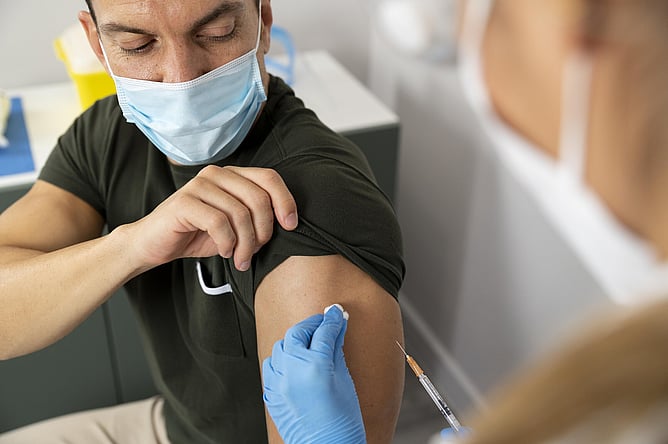
Bali is booked. Flights are sorted, the villa looks great in the photos, and now you're wondering whether you need any vaccinations before you go. At Sumner Pharmacy's Christchurch travel clinic, we help travellers assess their vaccination and travel-health needs based on their destination, itinerary, and planned activities.
For Bali, there isn't one vaccination checklist that applies to everyone. Some vaccines are commonly recommended for travelers to Indonesia, while others depend on how long you're staying, where you're going, and what you'll be doing. This guide explains Bali's vaccination requirements, which vaccines may be recommended, and when to arrange your travel health consultation before leaving Christchurch.
Key Takeaways
No vaccines are legally required to enter Bali unless you're arriving from a yellow fever risk country.
Hepatitis A and typhoid are recommended for almost every traveller heading to Bali, regardless of where you're staying.
Rabies vaccination is worth discussing if you'll be near monkeys, street dogs, or doing rural activities.
Malaria tablets are usually not needed for standard Bali holidays, but this depends on your exact itinerary.
Book your travel vaccine appointment 4 to 6 weeks before departure, since some vaccines need multiple doses.
Do You Actually Need Vaccines to Enter Bali?
No vaccines are officially required to enter Indonesia unless you're travelling from a country with yellow fever risk. Most vaccines for Bali are strongly recommended, not mandatory.
Note: This requirement applies only if you are arriving from a yellow fever risk zone.
That distinction trips people up constantly. Immigration won't check your vaccine card at Denpasar Airport. But "not required" doesn't mean "not necessary." Hepatitis A, typhoid, and a few others exist on the recommended list because they are often from food and water rather than anything exotic.
Because hepatitis A and typhoid can spread through contaminated food and water, vaccination is commonly considered for travellers to Indonesia.
Bali Vaccine Requirements vs. What's Recommended
The only true requirement is a yellow fever certificate if you're arriving from an at-risk country. Everything else on a Bali vaccine list falls under "recommended for your protection," which is where most of the real decision-making happens.
Here's how that breaks down in practice:
Legally required (situational):
Yellow fever vaccination certificate, only if arriving from a country with yellow fever transmission
Strongly recommended for nearly all travelers:
Hepatitis A
Typhoid
Up-to-date routine immunizations (MMR, tetanus, diphtheria, polio)
Recommended depending on your trip:
Hepatitis B
Japanese encephalitis
Rabies
Annual influenza
We'll go through why each one matters below.
The Core Vaccinations for Bali Almost Everyone Needs
Hepatitis A and typhoid cover the two biggest food- and waterborne risks in Bali, and we recommend both to nearly every traveller we see, no matter your accommodation or trip length.
Hepatitis A: This spreads through contaminated food and water. It doesn't care if you're staying in a five-star resort or a homestay. Street food, salad rinsed in tap water, and ice in your cocktail can all carry it. Symptoms can knock you out for weeks, and it's genuinely one of the more common illnesses we vaccinate travelers against.
Typhoid is also food- and waterborne and also common across Indonesia. It's especially worth having if you plan to eat local food, visit smaller villages, or travel beyond the main tourist strip in Seminyak or Ubud.
Routine boosters: Before you even think about Bali-specific vaccines, check that your MMR, tetanus, and polio status are current. Crowded airports, long flights, and busy tourist areas are exactly where preventable illnesses like measles spread fastest. A flu shot is also worth having before you fly, since strains shift year to year.
Vaccines to Consider Depending on Your Trip
Hepatitis B, Japanese encephalitis, and rabies aren't needed by every Bali traveller, but they matter a lot for certain trip styles, and a proper consultation is the only way to know which apply to you.
Hepatitis B: Worth discussing if you might need medical or dental treatment overseas, or if your trip involves any risk of blood or bodily fluid contact.
Japanese encephalitis: A mosquito-borne illness. Low risk for a short resort stay, more relevant if you're staying a month or longer or spending time in rural rice paddy areas.
Rabies: This one surprises people. Bali has a real rabies risk from monkeys at temple sites and stray dogs. If you're visiting the monkey forest in Ubud, cycling through villages, or just love animals, we usually recommend it. Rabies is almost always fatal once symptoms start, so this isn't a vaccine to skip based on assumptions.
What about malaria tablets?
Malaria risk in Bali's main tourist areas is very low, and antimalarial medication isn't usually recommended for a standard Bali holiday. If your trip extends to Lombok, Flores, or more remote islands, that changes the conversation, and it's worth flagging in your consultation.
What About Dengue Fever and Zika Virus?
While we often get asked about malaria, the much higher mosquito-borne risks in Bali are actually Dengue Fever and Zika Virus. Currently, there are no standard vaccines recommended for casual Kiwi travellers to prevent these illnesses, so your best defence is avoiding mosquito bites altogether. These mosquitoes bite during the day, not just at night. To stay protected, always apply a high-quality, DEET-based insect repellent, wear light-coloured, long-sleeved clothing when exploring outdoors, and ensure your accommodation has secure mosquito netting or air conditioning.
When Should You Book Your Travel Vaccines in NZ?
Book 4 to 6 weeks before you fly. Some vaccines need two doses spaced weeks apart, and your body needs time to build immunity before you land.
Leaving it until the week before departure is the most common mistake we see. Hepatitis A, for instance, gives longer-term protection with a second dose given months later, but the first dose still needs time to kick in before travel. Booking early also gives us room to sort out anything unexpected, like a vaccine that's temporarily out of stock or a health question that needs more time.
If your trip is closer than that, don't panic and don't skip vaccines altogether. Come in anyway. Partial protection close to departure is still far better than nothing.
What Happens at a Travel Vaccine Appointment
You fill in a short questionnaire about your itinerary and health history, we build a personalized plan and quote, and then you come in for a straightforward appointment that usually takes 30 to 45 minutes.
Here's what that looks like at our travel clinic in Christchurch:
Complete our online pre-travel questionnaire, covering your Bali dates, activities, and current health.
Our travel pharmacist reviews it and sends a personalized health plan with pricing, usually within 48 hours.
You book and attend your appointment. No GP referral is needed since we can assess and prescribe directly as a pharmacy.
Our travel health consultations are designed around your destination, itinerary and individual circumstances rather than a one-size-fits-all checklist.
Beyond Vaccines: Staying Well in Bali
Vaccines cover part of the picture. The rest comes down to daily habits on the ground.
Stick to bottled or boiled water, and skip ice at small roadside stalls.
Be cautious with raw seafood and salads from street vendors.
Use a DEET-based insect repellent, especially around dawn and dusk.
Avoid touching or feeding monkeys, even at popular temple sites.
Pack a proper travel first aid kit with rehydration sachets and basic medication for stomach upsets.
For broader country-by-country guidance alongside your consultation, the Immunization Advisory Centre's travel vaccination page is a solid independent reference to check.
Travel health advice is general information and doesn't replace an individual consultation with a qualified healthcare professional. Vaccination and medication recommendations depend on your health, vaccination history, destination, and itinerary. Travel requirements can also change, so check the latest official advice before departure.
Ready to Sort Your Bali Vaccines?
Don't leave this until the week before your flight. Start your pre-travel questionnaire today, or head back to our homepage to explore our full range of travel health services. Your Bali trip deserves to start well, not in a clinic queue overseas.
Frequently Asked Questions
Do I need a yellow fever vaccine for Bali?
Only if you're arriving from a country with known yellow fever transmission. If you're flying directly from New Zealand, this doesn't apply to you.
Is the hepatitis A vaccine really necessary for a short Bali holiday?
Yes, we recommend it even for short trips, since it spreads through everyday food and water exposure, not just remote travel.
Can I get all my Bali travel vaccines in one appointment?
In most cases, yes. We assess your itinerary and combine what's needed into a single visit wherever possible.
Do children need different vaccines for Bali?
Children often need a review of their routine schedule (MMR, tetanus) alongside destination-specific advice, so bring their immunization record to the consultation.
How much do Bali travel vaccinations cost in NZ?
Costs depend on which vaccines you need. We provide a full quote after reviewing your questionnaire, with no hidden fees.